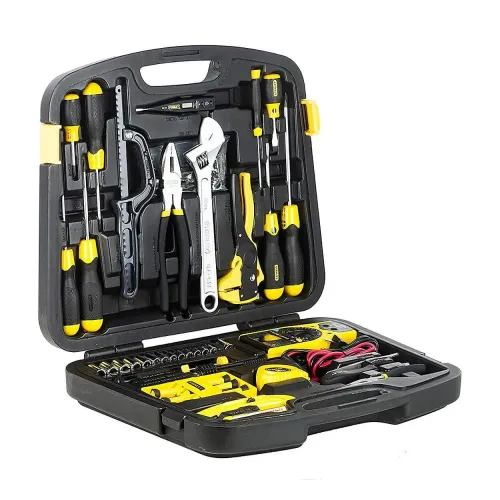
Telecom technicians rarely complete an installation with one tool.
A typical job may involve cable preparation, cutting, termination, connector work, testing and general fastening tasks. Carrying these tools individually can become inefficient, particularly for field technicians who move between multiple sites.
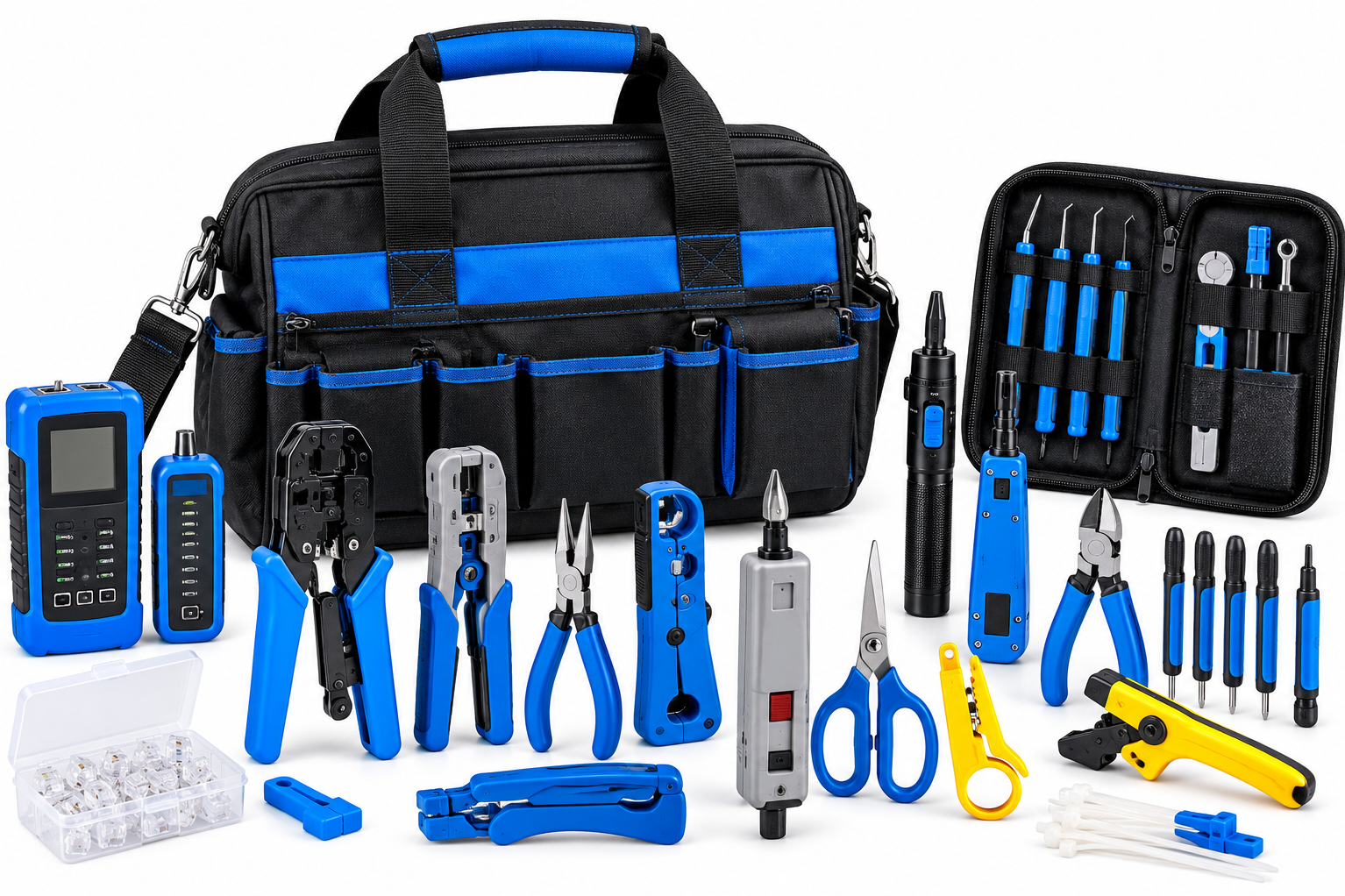
A Jonard Telecom Installation Tool Kit can provide an organised starting point, but procurement teams should evaluate the actual contents against the technician's workload before choosing a kit.
Begin With the Jobs Your Team Performs
The term telecom installation covers many different activities.
A technician may primarily work on:
- Structured cabling
- Telephone systems
- Data communication
- Network infrastructure
- Punch-down termination
- Copper cable preparation
- Equipment installation
- Telecom maintenance
- Field troubleshooting
Different roles require different tool combinations.
A kit designed for copper termination, for example, should not automatically be treated as a complete solution for advanced fiber work.
Build a Required-Tool List Before Comparing Kits
The easiest way to evaluate a toolkit is to compare it against a predefined requirement.
Ask technicians to identify tools they use on at least 80% of jobs.
These may include:
- Cable cutters
- Wire strippers
- Punch-down tools
- Crimping equipment
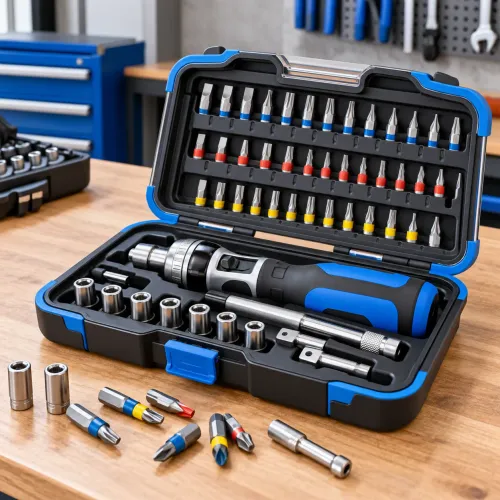
- Screwdrivers
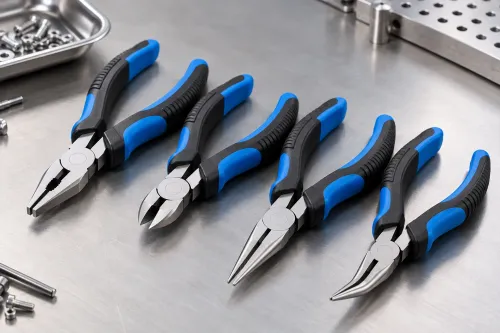
- Pliers
- Cable preparation tools
- Test equipment
- General service accessories
Once the list is established, compare different kits based on coverage.
This is much more useful than simply comparing the number of pieces.
Why Piece Count Can Be Misleading
A 30-piece telecom kit is not automatically more complete than a 15-piece kit.
Some kits include many small accessories, bits or interchangeable components that increase the advertised piece count without significantly expanding the range of tasks technicians can perform.
Buyers should therefore ask:
How many of these tools will our technicians actually use?
Unused tools increase cost and carrying weight without improving productivity.
Consider Tool Organisation
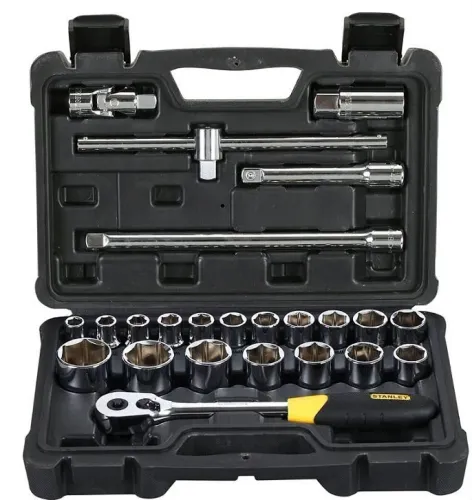
For field teams, the case or storage system is part of the product.
Tools that have clearly defined positions are easier to inspect before leaving a customer site.
This can reduce loss and make missing equipment obvious.
Organised storage also protects precision cutting and termination tools from being thrown together with heavy equipment.
Specialist Tools May Still Need to Be Added
A telecom toolkit should be viewed as a foundation.
Depending on the project, technicians may still need separate:
- Certification testers
- Fiber preparation tools
- Specialized crimpers
- Connector-specific tooling
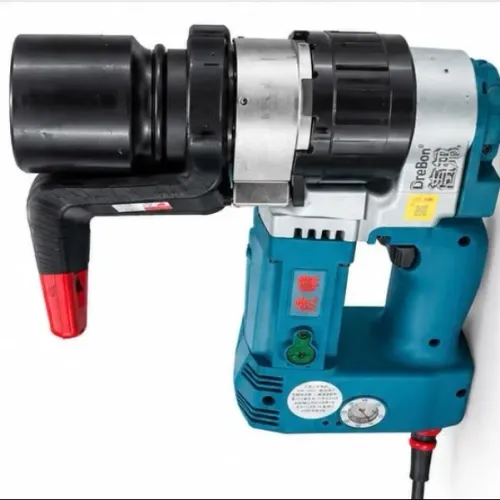
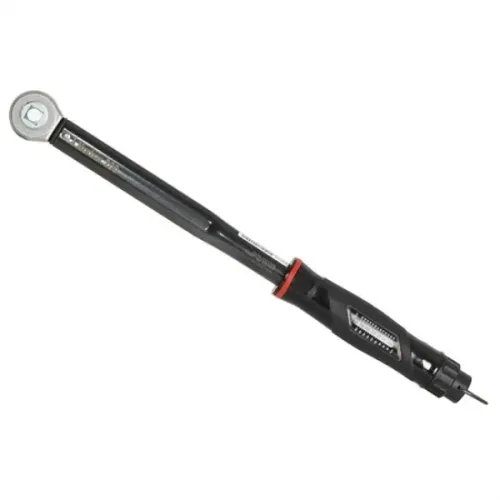
- Torque tools
- Inspection equipment
- Electrical test instruments
Trying to find a single kit containing every specialised tool can result in unnecessary compromises.
Standard Kits Can Help Growing Contractors
For Delhi NCR telecom contractors managing several installation crews, standardised technician kits can simplify operations.
Each technician or team can receive a defined base kit, with specialist tools issued separately when needed.
This makes it easier to manage:
- Tool inventories
- Replacement purchases
- New technician onboarding
- Missing equipment
- Field readiness
- Training procedures
It also helps supervisors know what equipment every field team is expected to carry.
Procurement Questions Worth Asking
Before ordering a Jonard Telecom Installation Tool Kit, determine:
- Which telecom systems are being installed?
- Is the work mainly copper, fiber or mixed infrastructure?
- Which tools are included in the exact kit?
- Which required tools are missing?
- Will technicians carry the kit daily?
- Are replacement individual tools available?
- How many teams require identical kits?
Miracle Tools And Tackle LLP supplies professional tools to technical users across Delhi NCR from New Delhi. Procurement teams can make toolkit selection more effective by sharing the type of telecom installation work rather than requesting a generic installation kit.
A well-selected telecom toolkit should reduce preparation before a site visit, not create another case full of unused tools. The strongest buying decision comes from matching the contents to real field tasks.
Keywords