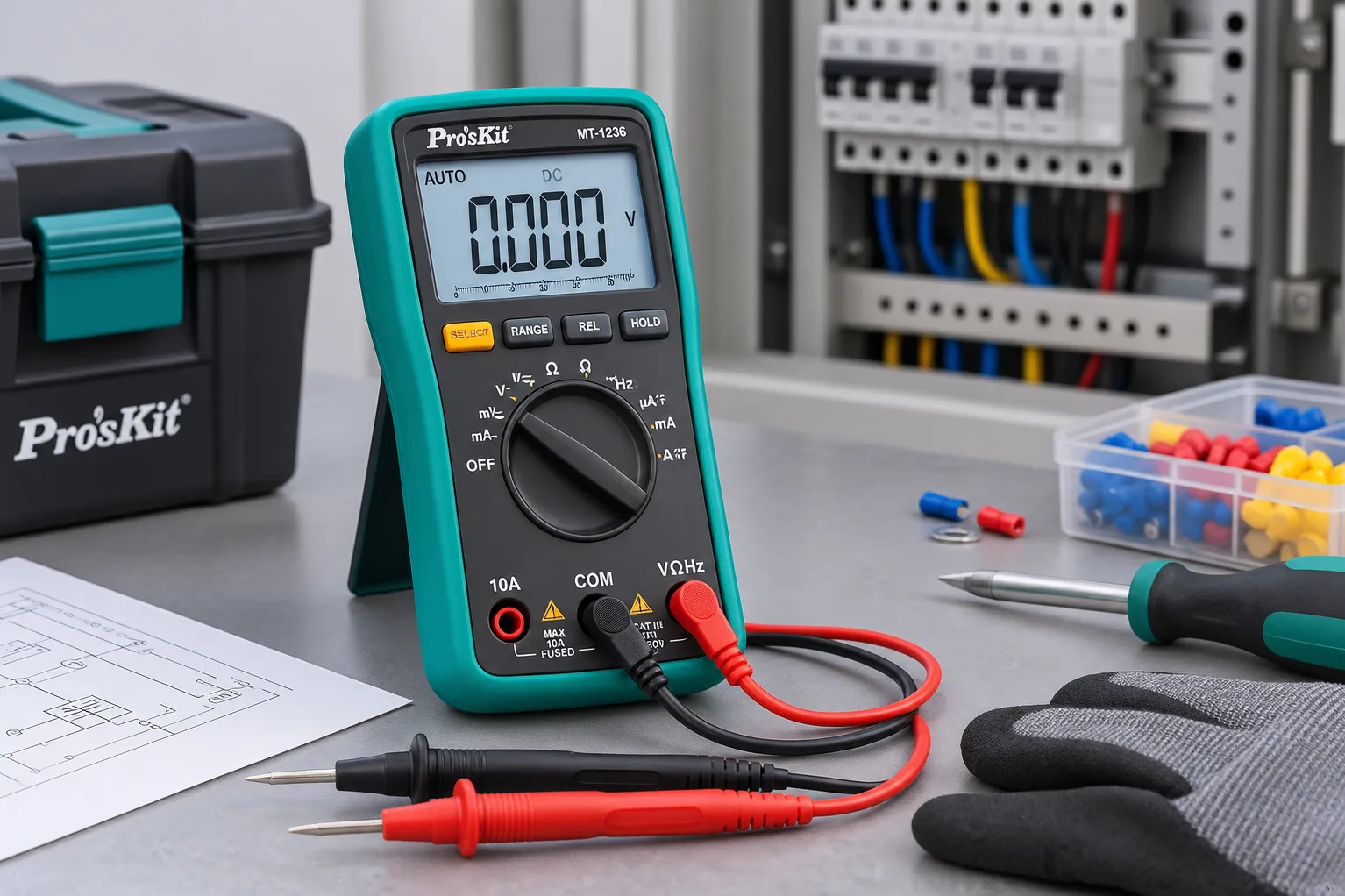
Buying a digital multimeter based only on the number of functions displayed on the packaging can lead to the wrong choice. An electrician testing building circuits has different requirements from an electronics technician checking low-voltage boards, while an industrial maintenance engineer may need another combination of measurement capability, durability and safety features.
A Pro’sKit Digital Multimeter should therefore be evaluated according to the work it will actually perform.
Start With the Measurements You Need
Before comparing models, list the measurements technicians routinely make.
These may include:
- AC or DC voltage
- Current
- Resistance
- Continuity
- Diode testing
- Capacitance
- Frequency
- Other model-specific measurements
Not every technician needs every function.
Paying for unused features adds little value, while buying an underspecified meter can limit troubleshooting work.
Safety Rating Deserves Serious Attention
Electrical measurement is not an area where buyers should select equipment purely by price.
The meter, test leads, probes and intended measurement environment should all be appropriate for the circuit being tested. Buyers should review the safety category and voltage ratings stated for the exact model and understand whether those ratings match the intended environment.
A meter used on electronics benches may face very different electrical conditions from one used around distribution equipment.
Never assume two digital multimeters are interchangeable simply because their measurement ranges look similar.
Accuracy and Resolution Are Different
Procurement teams sometimes focus on the number of digits shown on a display without considering measurement accuracy.
Resolution indicates how finely a meter can display a change. Accuracy describes how close the reading is expected to be to the actual value within stated conditions.
Both can matter, but the required level depends on the application.
For basic continuity checks, extremely fine resolution may offer limited practical value. Electronics troubleshooting or specialised measurement work may demand more detailed performance.
Think About Daily Usability
A meter can have excellent specifications and still be inconvenient in field conditions.
Ask technicians about practical requirements such as:
- Display readability
- Control layout
- Probe handling
- Meter size
- Protective construction
- Battery accessibility
- Port arrangement
- Carrying and storage requirements
These details influence how effectively a meter is used during repetitive maintenance work.
Compare Total Value Rather Than Purchase Price
Suppose one multimeter costs less but does not cover the measurements required by the maintenance team. The business may eventually need another instrument, creating duplicate procurement.
Conversely, purchasing a highly advanced model for basic workshop continuity checks may tie up budget in unnecessary features.
The better approach is to define a standard specification for each user group.
For example, a Delhi NCR organisation might maintain separate requirements for electricians, electronics technicians and field maintenance engineers.
Confirm the Exact Model
“Pro’sKit multimeter” is too broad a procurement description.
Different models can have different ranges, functions and specifications. Always request and compare the exact model number.
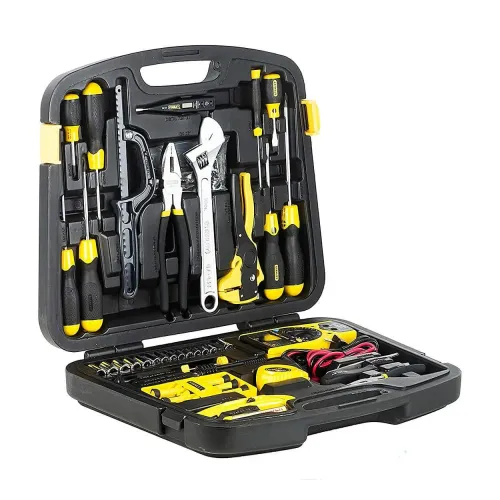
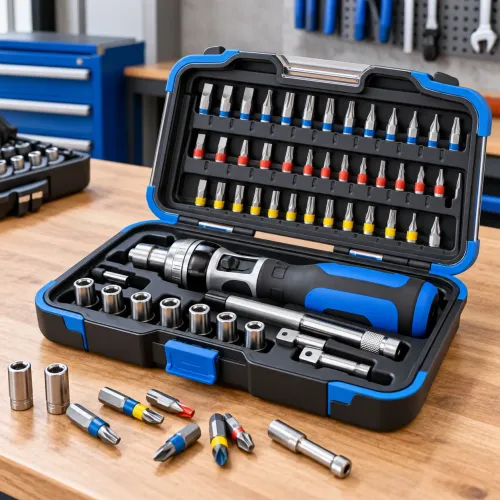
Miracle Tools And Tackle LLP carries Pro’sKit products among its professional electrical and electronics tool offerings in New Delhi, with its catalogue also showing technician kits containing digital testing equipment.
For industrial and contractor buyers across Delhi NCR, providing the intended measurement environment and required functions can make selection more efficient.
A Simple Evaluation Checklist
Before finalising a Pro’sKit Digital Multimeter, confirm:
- What will technicians measure?
- What voltage and environment will they work around?
- What accuracy is required?
- Which safety ratings apply?
- Are the supplied leads appropriate?
- Is the instrument practical for daily field use?
- Does the exact model meet the organisation’s testing procedure?
A multimeter should not be purchased because it has the longest feature list. It should be selected because its specifications and safety characteristics fit the testing work technicians actually perform.