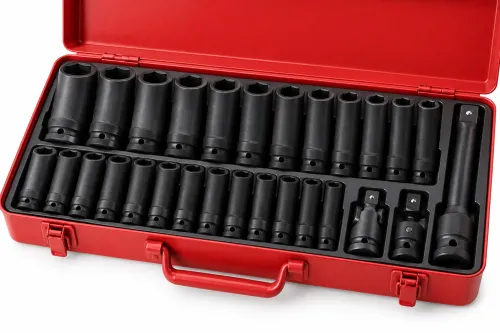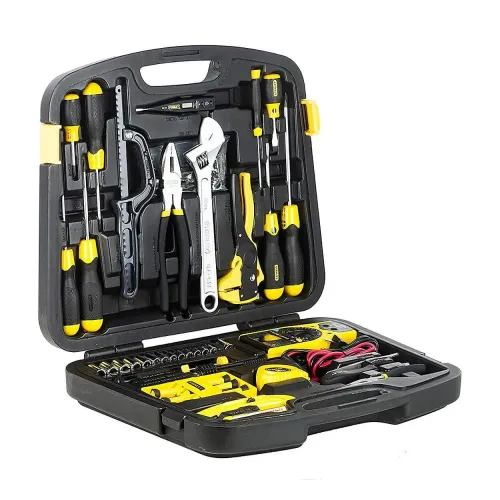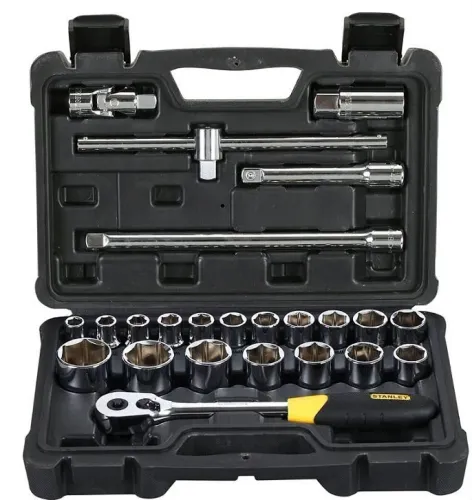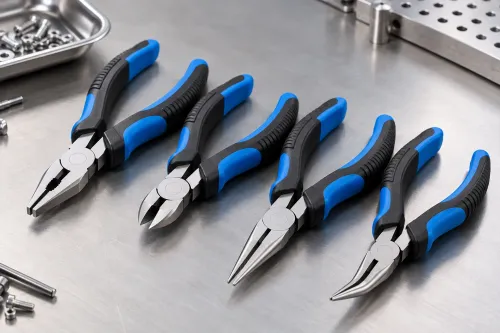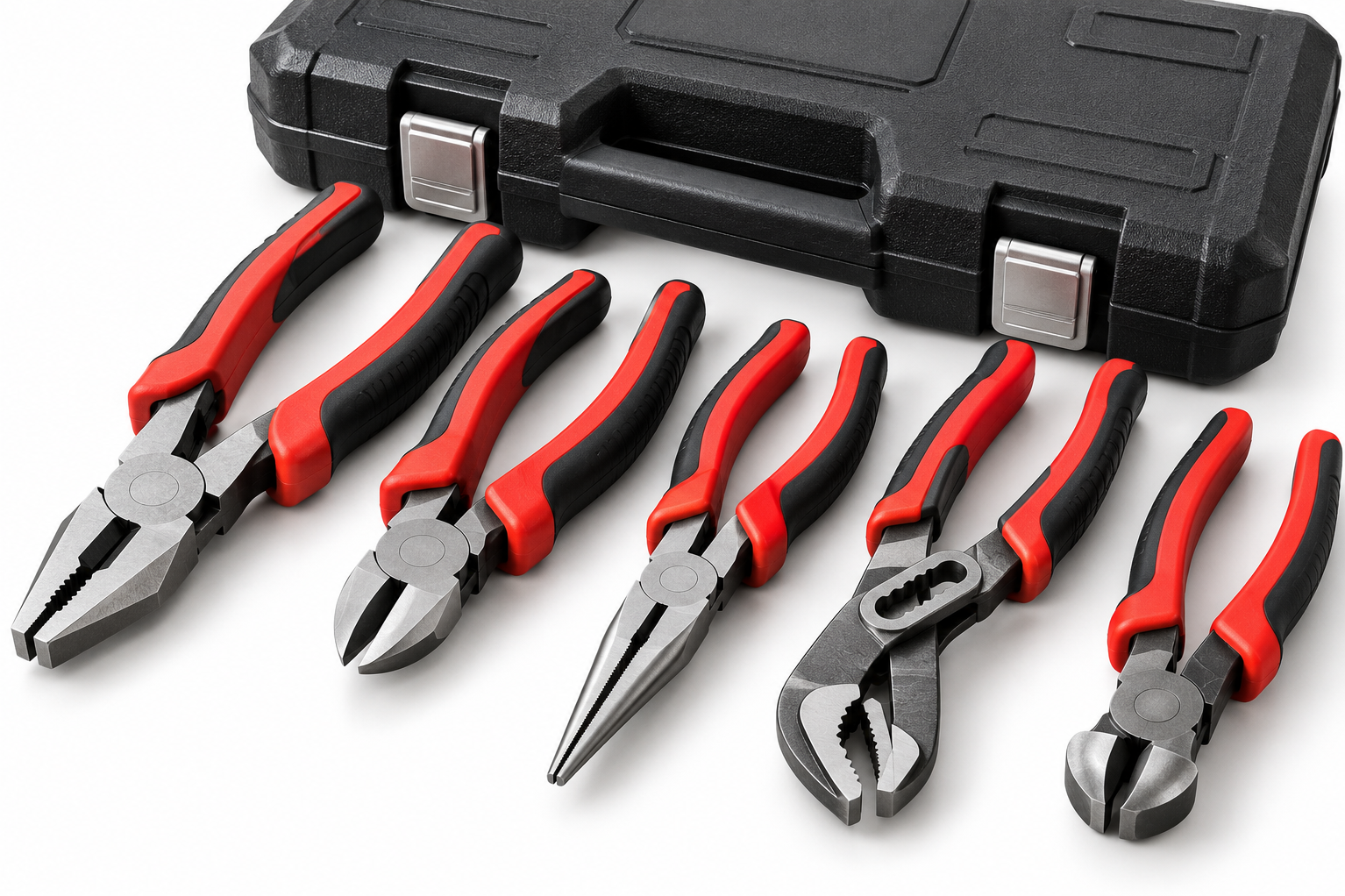
Heavy-duty pliers are basic equipment in industrial maintenance, but the phrase “heavy duty” should not be treated as a complete buying specification.
Different pliers perform different operations. A tool intended for gripping does not automatically replace a cutter, and a specialised pair should not be used as a universal substitute for wrenches, pry bars or other equipment.
A Proto Industrial Heavy Duty Pliers Set should be selected according to the mechanical tasks technicians perform repeatedly.
Begin With the Pliers Your Team Uses Most
Before selecting a set, inspect existing toolboxes.
Which pliers show the greatest wear?
Which ones frequently disappear because several technicians need them at the same time?
Which tasks are currently being completed with unsuitable tools?
These observations can reveal actual demand.
Common industrial requirements may include tools for:
- General gripping
- Holding components
- Bending suitable materials
- Cutting suitable wire
- Reaching restricted locations
- Maintenance and assembly work
The precise combination depends on the maintenance environment.
Heavy Duty Does Not Mean Unlimited Capacity
One of the most damaging workshop habits is assuming that robust-looking pliers can handle any operation.
Every tool has an intended range of use.
Pliers should not automatically be used to:
- Turn large nuts as a wrench substitute
- Pry apart assemblies
- Strike components
- Cut hardened material beyond their rating
- Extend leverage with pipes
- Perform electrical work without applicable safety approval
Correct use can influence both tool life and technician safety.
Examine the Joint and Jaw Condition
The pivot joint is central to plier operation.
Excessive looseness can make accurate gripping difficult, while a damaged or binding joint can affect normal movement.
Jaw surfaces and cutting edges should also be inspected periodically.
A heavy-duty tool can still become ineffective after prolonged abuse.
Consider Handle Design for Repetitive Work
Industrial maintenance technicians may use pliers repeatedly throughout the day.
Handle shape and grip can therefore influence comfort and control.
However, buyers should not assume that a thick plastic-coated handle indicates electrical insulation.
Where work may involve electrical hazards, use tools specifically identified and approved for the relevant electrical application and follow established safety procedures.
Should Every Technician Receive the Same Set?
Not necessarily.
A mechanical fitter, industrial electrician and general maintenance worker may need different combinations.
A useful procurement structure can divide tools into:
- Standard personal tools
- Trade-specific sets
- Shared specialist tools
- Heavy-duty workshop tools
This provides coverage without purchasing unnecessary duplicate equipment.
Tool Organisation Reduces Replacement Costs
Industrial hand tools often become “lost” inside the business rather than physically disappearing.
They move between workstations, maintenance carts and field kits until nobody knows where they belong.
Defined storage and tool identification can reduce unnecessary replacement purchasing.
Businesses with multiple maintenance teams can also conduct periodic toolbox checks to identify damaged or missing equipment.
What B2B Buyers Should Confirm
Before sourcing a Proto Industrial Heavy Duty Pliers Set, procurement managers should establish:
- Which plier configurations are required?
- What materials will technicians handle?
- Will cutting tools be needed?
- How often will each tool be used?
- Are electrical-rated tools separately required?
- Will tools remain in a workshop or travel to sites?
- How many technicians require sets?
These questions turn a generic hand-tool purchase into a practical maintenance decision.
Miracle Tools And Tackle LLP serves industrial buyers, contractors and workshop customers across Delhi NCR from New Delhi.
For businesses sourcing Proto professional tools, sharing the application and required plier types can help create a more focused purchasing requirement.
Heavy-dutsepy hand tools deliver the most value when their strength is matched by correct selection and disciplined use. A well-planned pliers set gives technicians the right gripping and cutting options without encouraging one tool to perform jobs it was never designed to handle.
Keywords