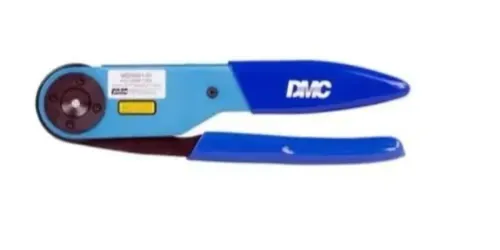
When it comes to electrical installations, the quality of cable terminations plays a major role in ensuring long-term performance and safety. Whether you're working on industrial control panels, power distribution systems, renewable energy projects, or utility installations, choosing the right crimping equipment is just as important as selecting quality cables and connectors. An INTERCABLE Hydraulic Compression Tool is designed to deliver consistent compression force, making cable crimping faster, safer, and more reliable than manual alternatives.
Professionals across industries rely on hydraulic compression tools because they reduce operator effort while providing uniform crimp quality. Poorly crimped cable lugs can lead to overheating, voltage drops, equipment failures, and costly maintenance. Investing in a dependable hydraulic tool helps minimize these risks and improves the overall quality of electrical work.
What Is an INTERCABLE Hydraulic Compression Tool?
An INTERCABLE Hydraulic Compression Tool is a specialized tool used to compress cable lugs and connectors onto electrical conductors using hydraulic pressure. Unlike conventional hand crimpers, hydraulic models generate high compression force with minimal physical effort.
These tools are commonly used for:
- Power distribution systems
- Industrial electrical installations
- Electrical panel manufacturing
- Solar power projects
- Wind energy installations
- Railway electrical infrastructure
- Utility maintenance work
- Heavy engineering applications
Hydraulic compression ensures that every crimp meets the required standards for electrical conductivity and mechanical strength.
Why Proper Cable Crimping Matters
Cable terminations are often overlooked until problems occur. A poor crimp can create loose electrical connections that increase resistance and generate excessive heat.
Proper compression helps achieve:
- Better electrical conductivity
- Strong mechanical bonding
- Reduced maintenance requirements
- Lower risk of electrical failures
- Improved equipment reliability
- Longer service life for electrical systems
For industries where uninterrupted power is essential, using the right compression tool becomes an important part of quality assurance.
Key Features to Look For
Not every hydraulic compression tool offers the same level of performance. When evaluating a tool for professional use, consider the following features:
High Compression Force
Consistent hydraulic pressure ensures every crimp is completed accurately without excessive manual effort.
Wide Crimping Capacity
Many professional tools support multiple cable sizes through interchangeable dies, allowing technicians to work on a variety of applications.
Ergonomic Design
Comfortable handles and balanced weight reduce operator fatigue during long installation or maintenance jobs.
Durable Construction
Industrial environments demand tools that can withstand frequent use, transportation, dust, and varying weather conditions.
Easy Die Replacement
Quick die changes improve productivity when working with different cable sizes throughout the day.
Industries That Benefit from Hydraulic Compression Tools
Hydraulic compression tools are used across multiple sectors because electrical cable termination is a common requirement in many industries.
Common users include:
- Electrical contractors
- Panel builders
- EPC contractors
- Utility companies
- Renewable energy installers
- Manufacturing facilities
- Infrastructure developers
- Railway maintenance teams
- Oil and gas projects
- Data centres
As industrial automation continues to grow across India, the demand for precision electrical installation tools has increased significantly.
Common Mistakes During Cable Crimping
Even the best tool cannot compensate for incorrect installation practices. Professionals should avoid several common mistakes.
Using the Wrong Die
Every connector requires the correct die size. An incorrect die can result in under-compression or excessive deformation.
Incomplete Compression
Stopping before the hydraulic cycle is complete may create weak electrical joints.
Poor Cable Preparation
Improper stripping or damaged conductor strands affect the quality of the final connection.
Using Damaged Connectors
Bent or low-quality lugs may prevent proper compression regardless of the tool being used.
Skipping Inspection
Visual inspection after crimping helps identify incomplete or defective terminations before installation.
Hydraulic Tools vs Manual Crimping Tools
Many professionals begin with manual crimpers but eventually switch to hydraulic models as project requirements increase.
Hydraulic compression tools offer several advantages:
- Less physical effort
- Greater consistency
- Better compression accuracy
- Faster completion of repetitive tasks
- Suitable for larger cable sizes
- Improved operator productivity
For projects involving medium and high-capacity electrical systems, hydraulic tools often provide better long-term value.
Selecting the Right Tool for Your Application
Before purchasing a hydraulic compression tool, evaluate your typical work requirements.
Consider:
- Cable size range
- Frequency of use
- Type of connectors used
- Working environment
- Maintenance requirements
- Availability of spare dies
- Manufacturer support
Choosing equipment based solely on price may lead to higher maintenance costs and reduced productivity over time.
Supporting Industrial Projects Across India
Electrical contractors working in industrial hubs such as Pune, Maharashtra, often require reliable tools that can handle demanding installation schedules without compromising precision. Manufacturing plants, infrastructure projects, and renewable energy developments increasingly depend on professional-grade cable termination equipment to maintain safety and operational efficiency.
For businesses sourcing internationally recognized electrical installation tools, suppliers such as Miracle Tools And Tackle LLP offer access to products from leading global manufacturers. Information about available industrial tools, specifications, and application guidance can also be explored through miracletools.net, helping buyers make informed purchasing decisions based on project requirements rather than marketing claims.
Making the Right Investment
An INTERCABLE Hydraulic Compression Tool is more than just another addition to an electrician's toolkit. It is an investment in consistent workmanship, safer electrical installations, and long-term system reliability. Whether you're assembling electrical panels, maintaining industrial equipment, or installing large-scale power infrastructure, using the right compression tool helps reduce installation errors while improving productivity.
As electrical systems become more advanced and quality standards continue to rise, precision tools are no longer optional they are an essential part of delivering dependable, professional results. Choosing equipment that matches your application today can contribute to safer operations and lower maintenance costs for years to come.
Keywords